


Anticipating Disruption: How Is the Future of Biomechatronics and Biomedical Robotics Being Shaped by AI?
Abstract
Research and engineering in biomedical robotics and biomechatronics lives at a confluence of change in multiple fields. Our community's exposure to the effects of widespread artificial intelligence adoption is potentially more intense as a result of our multidisciplinary nature, and this topic deserves different, thoughtful conversations.
Artificial intelligence is a topic that has moved from a primarily academic concern to something being discussed daily in general news articles and around dinner tables. The pace and variability of changes in societal attention, and the rate of change in the technological capabilities that underpin them, is unprecedented. In addition to a recent acceleration in machine capabilities for cognition, AI is facilitating step changes in design and deployment, sensing and actuation, integration and interaction. These step changes are impacting and in some cases substantially reconfiguring whole sectors and lines of innovation. As a community that creates our ideas at the intersection of electrical, mechanical, biological, and computational systems, BioRob constituents are seeing change from multiple fronts at once and we have both opportunity and risk associated with this positioning.
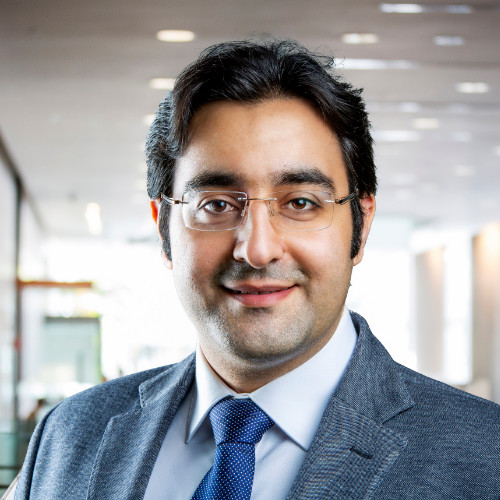
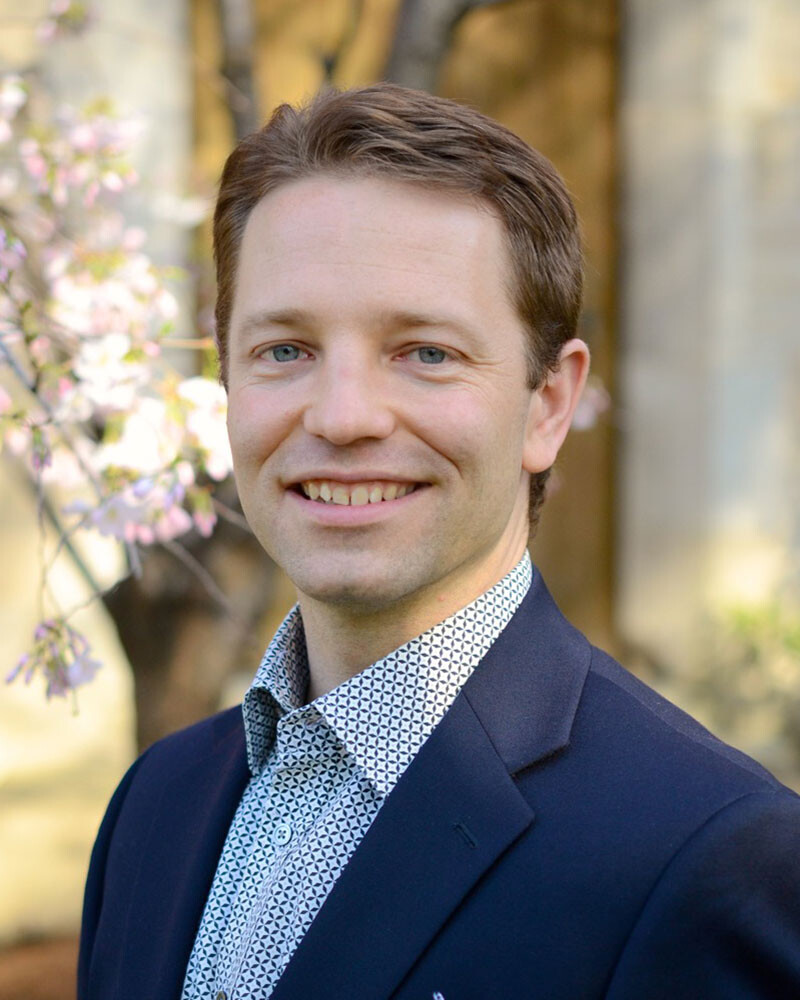
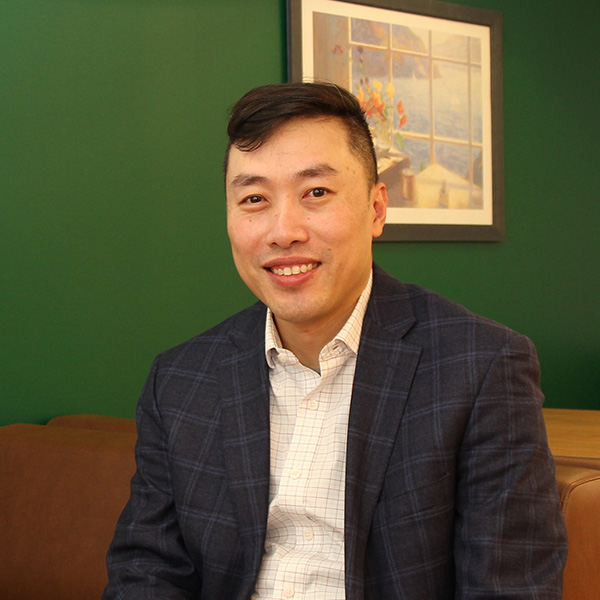
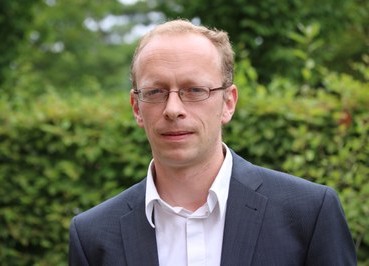
In a coming era where we as a society have designed minds that will in turn help us design, craft, explore and act on ideas, what should we speak about with each other during this meeting and in the months that follow? This panel brings together world leaders in artificial intelligence, health systems, wearable biomedical technology, and bioinspired robotics to consider questions such as:
- What will our field look like in the future? What changes do we expect to see in the next six months and what might we imagine in five years down the road?
- What are we not doing right now that we should do at once and without hesitation? What are we doing now that we should in good faith simply stop doing?
- What responsibilities should we hold ourselves to with regard to our trainees and our community's leaders of the future?
- What do we imagine would be good choices for the next generation of scholars to make such that they can help push forward our multidisciplinary field in the years to come?
- What will be the key work of researchers in biomedical robotics and biomechatronics in the years ahead?
Moderator and Panelists